
 RisersSound design
Make A Riser From Scratch, And When Not To
Build a riser from a noise source, a filter and a reverb tail. Then an honest look at what the build costs on the third one.
RisersSound design
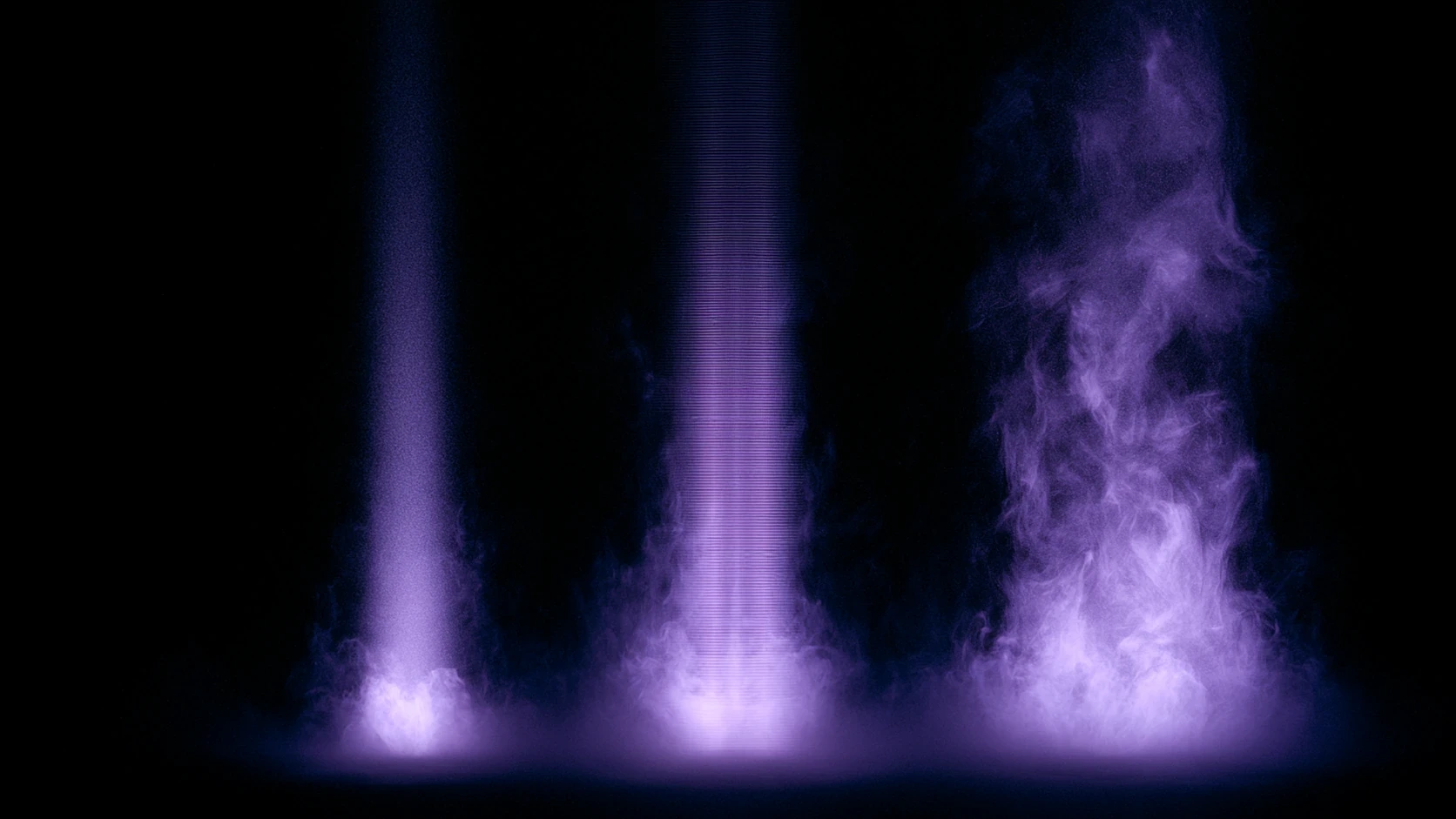
Noise, pitch and cinematic rises do different jobs. Pick by the frequency band your outgoing section leaves empty, not by taste.
A riser has two independent properties, and producers usually only decide one of them. Length is the timing question, and how long a riser should be answers it. Character is the frequency question: a clean noise sweep, a tonal rise that carries pitch, and a cinematic swell occupy different parts of the spectrum and behave differently in a dense arrangement. Two risers of identical length can land or vanish purely on this choice, and the choice is not about taste.
A riser competes for space with everything already playing in the bar before the drop. Whatever band it occupies, it is masking something there, and the ear only registers a rise it can actually track. So the useful question is not which riser sounds best in solo. It is which band of the outgoing section is empty. Fill the empty one and the rise reads clearly at a modest level. Fill the crowded one and you push the fader until the riser is louder than the music.
That is why the same sweep works in one track and disappears in the next. A sparse outro with a filtered loop and no hats leaves the whole top open, so a bright noise rise cuts through with room to spare. A busy bar with open hats, a bright lead and a doubled vocal has nothing free up there, and the same rise turns into a layer of static that makes the section harsher without making it tenser.
A clean noise sweep is broadband by construction, which is its strength and its problem. It reads instantly because it moves across everything, but it lives exactly where hi hats, cymbals and vocal sibilance already live. Reach for it when the bar before the drop is thin up top. If it fights anything, it fights the elements you least want to dull.
A tonal riser is pitched, so it belongs to the key and can hold the harmony through a bar where the chords drop out. That continuity is worth a lot in melodic sections. The cost is exposure: a wrong note is obvious in a way that a wrong noise sweep never is, so check it against the root before you commit to the take.
Cinematic rises carry resonance and long tails, which is what makes them feel like scale rather than motion. They need their own space to do that. Give one a bar that has been thinned out for it and it sounds enormous. Drop one into a full arrangement and the tail smears into the downbeat instead of clearing the way for it.
Every riser sounds convincing on its own. The only test that means anything is the transition played in context at mix level. SURGE auditions sweeps at their peak so you hear the loudest moment of each candidate against the busiest part of the bar, which is where the masking decision actually gets made.
The two properties are not independent in practice. A long clean sweep spends more bars sitting on top of your hats, so the longer you make it, the more its broadband nature costs. A long tonal rise has the opposite behaviour: more time makes the pitch relationship clearer and the tension more legible, which is why melodic sections tolerate four and eight bar tonal builds that would be unbearable as noise.
Cinematic character is the one that forces the length rather than following it. The resonance and the tail need time to develop, so a short cinematic rise is mostly attack and no swell, which is just an odd sounding impact. If the arrangement can only give you two bars, pick clean or tonal and save the cinematic option for a transition you have actually written space for.

SURGE sorts its sweeps by character, so you can hear clean, tonal and cinematic against the same bar before you commit to one.
Guides
You may also like
RisersSound designBuild a riser from a noise source, a filter and a reverb tail. Then an honest look at what the build costs on the third one.
 TransitionsWorkflow
A rendered riser is measured in seconds. Bars are measured in tempo. Change the tempo and only one of them moves.