
 SamplingLicensing
Royalty Free Is Not The Same As Free
Royalty free is a statement about use, not about price. What Nolvra's terms allow, what they do not, and why a pack is not a record.
SamplingLicensing
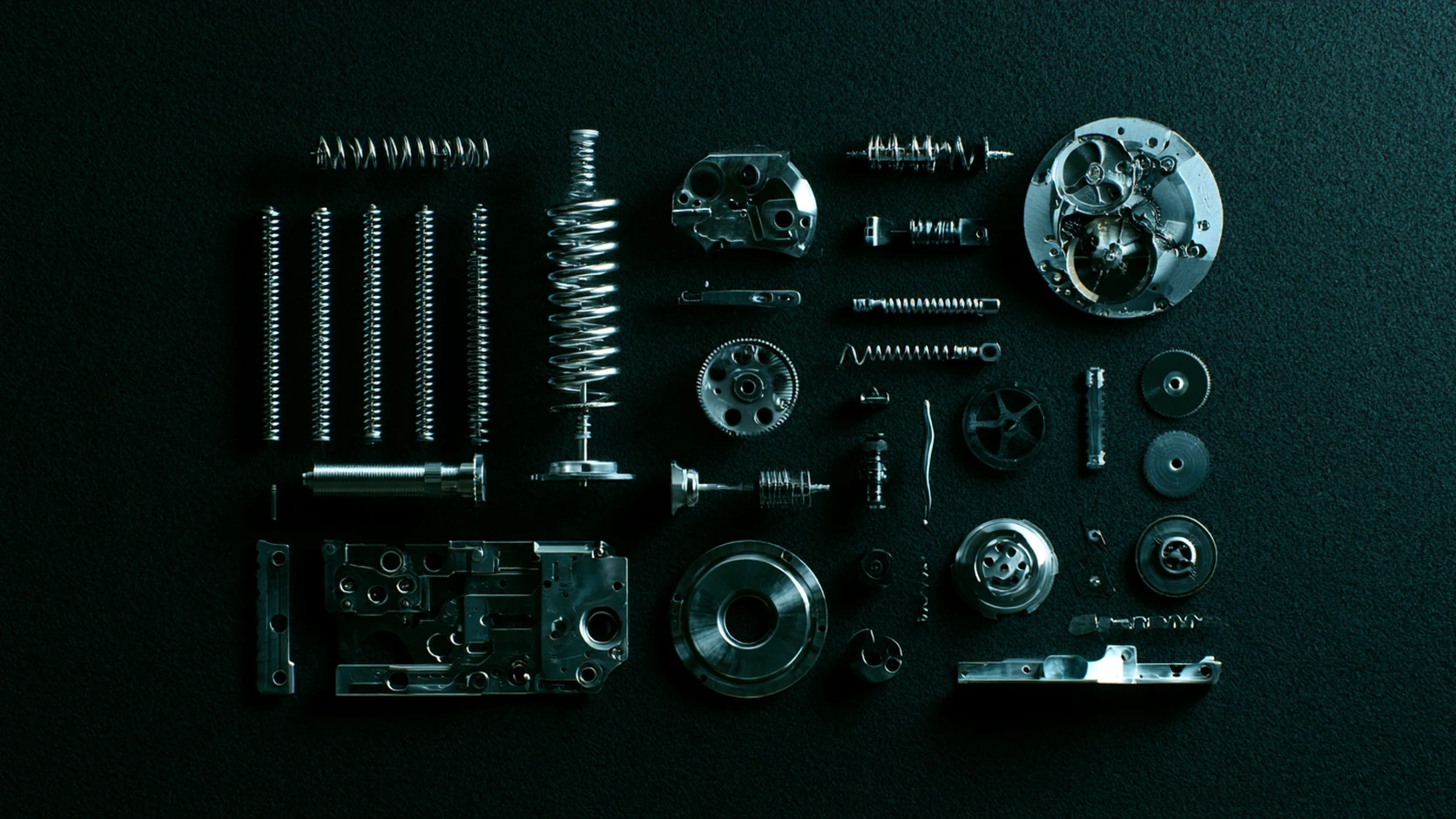
A construction kit is a set of decisions someone already made. Four ways to use the stems as raw material instead of rebuilding the demo.
A construction kit is a finished piece of music delivered as separate stems. That is the whole promise and the whole problem. By the time the files reach you the tempo is set, the key is set, the chords have already moved where they move, and the arrangement has already decided what follows what. Those are not raw materials. They are decisions, and every one of them belongs to a track somebody else wrote. Cutting the number of open decisions is a real problem and a session that actually ends covers it. This is the opposite case: the decisions were made for you, and the work is choosing which ones to throw out.
The fastest way to stop rebuilding somebody's demo is to open the kit, pick the single part you actually reacted to, and drag nothing else in. MIRA's construction kits arrive stem by stem, which is what makes that possible: one vocal phrase, one loop, one bass line. Everything you did not import is now a decision you have to make yourself. The kit stops being an arrangement and becomes one sound.
Stems arrive at the tempo and the key they were recorded in, and most people build around both without ever testing another option. Pitch the part somewhere else and it stops sitting in its original harmony. Push or drop the tempo far enough and the groove changes character rather than just speed. If you are not sure what you are moving it to, finding the key of a sample settles that in a minute.
Load the kit stem, play along with it on your own instrument, then mute the stem. What is left is your part in a shape you would not have written alone. The kit did its job as a reference and left no fingerprint in the file. This works best on the melodic stems, where the original tone is the most recognizable thing about the whole kit.
Kits are usually laid out intro, verse, chorus, and leaving that order alone means accepting the original song's structure without noticing you did. Start on the part that was meant to be the payoff. Put the intro material under the last section. Cut the chorus stem to a two bar loop and let it be a texture instead of an event. The parts survive a reshuffle. The song does not.
The stems people talk about are the melodies. The part that holds up across a hundred sessions is duller: the intervals and the recording quality. A movement from the root down to a flat sixth is portable: you can play it in any key, on any sound. The specific pad it was played on is not, because it is the one thing another producer will recognize the second your track plays.
Recording quality does the same work from the other side. A vocal captured in a treated room through a clean chain drops into a session and behaves. It sits where you put it and takes processing without falling apart. That is not a creative decision at all, it is studio time you did not have to spend. Take the interval and take the capture, leave the arrangement behind, and a kit stops competing with the track you are writing.
Here is the check, and it is uncomfortable. Once the track is roughly arranged, do not open the kit's own demo again. Not to compare, not to remind yourself where the drop was. If you cannot finish without hearing the original one more time, you are not writing with the kit, you are reconstructing it from memory, and a reconstruction lands very close to where the original landed.
The failure mode is quiet, because everything sounds fine while it is happening. Kits are demoed well. The demo was mixed, arranged and paced by someone who knew exactly what the parts were for, so any deviation you make will sound worse than the reference for the first hour. That hour is where most producers give up and put the parts back in the order they arrived in.

MIRA delivers its construction kits stem by stem, so you can keep one part, drop the rest, and build the track around what you kept.
Guides
You may also like
SamplingLicensingRoyalty free is a statement about use, not about price. What Nolvra's terms allow, what they do not, and why a pack is not a record.
 WorkflowCreative process
The order is set by what your tracks are missing, not by the product list. Four problems, four answers, and where one plan actually makes sense.